
<p>Parts & Supply Warehousing</p>

Parts & Supply Warehousing

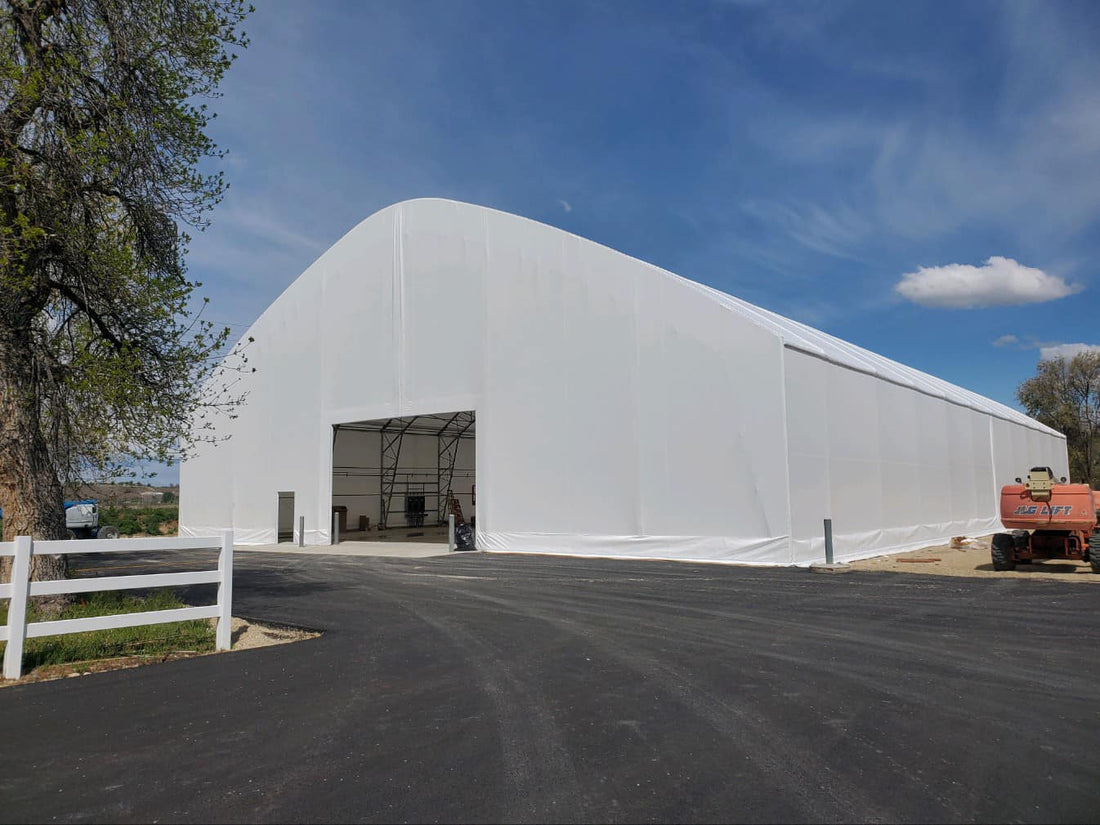
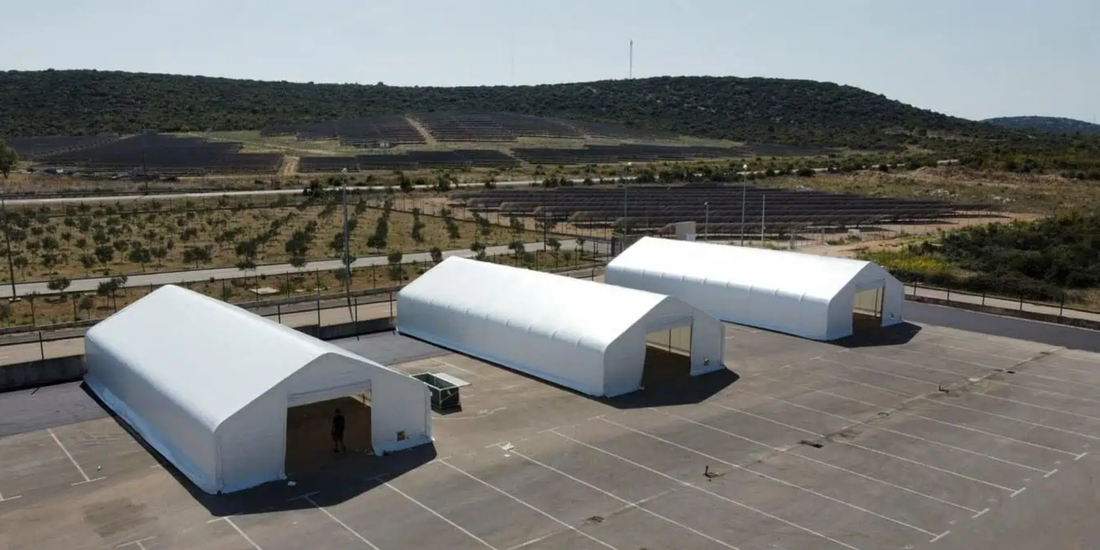
Sheltirx™ mining parts storage buildings provide covered space for replacement components, maintenance supplies, consumables, tools and operational inventory. We configure each building around stock volume, storage methods, handling equipment, receiving activity and parts distribution requirements.

Storage Capacity for
Mining Operations

Mining sites rely on a wide range of spare parts and supplies to support equipment availability and daily operations. Filters, hoses, bearings, electrical components, replacement assemblies and maintenance consumables can occupy substantial space as inventory grows.

A dedicated parts warehouse can provide additional storage capacity while keeping essential supplies organized and accessible. It can also help separate maintenance inventory from general site storage, workshop activity and vehicle parking.

Start by reviewing the inventory held on site. The number of stock items alone does not determine the required warehouse size. Item dimensions, quantities, storage methods, handling requirements and replenishment patterns all influence the layout.

Organize Parts for
Efficient Retrieval

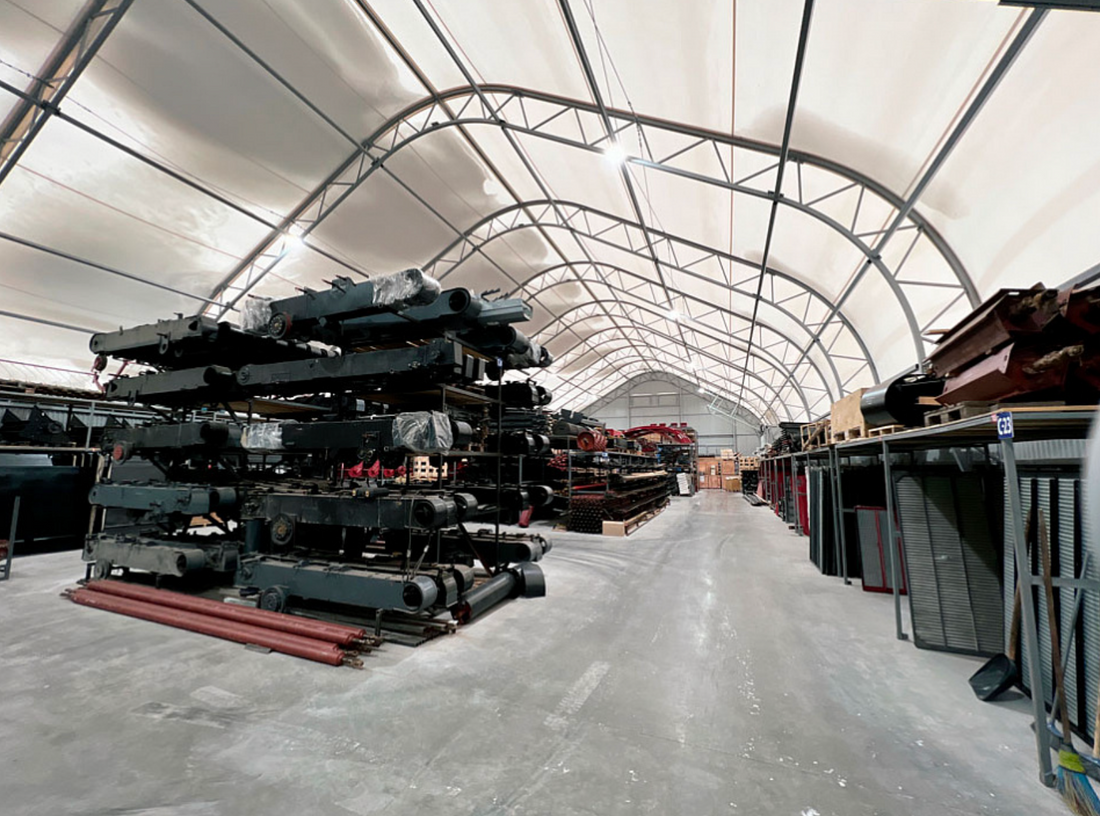
A parts warehouse should make it practical to locate, retrieve and return inventory. Storage arrangements may include shelving, pallet racks, cabinets, bins, secure storage or designated floor positions, depending on the stock profile.

Small components often benefit from identified bins and shelving. Larger assemblies may require pallet positions, floor storage or mechanical handling equipment. Heavy parts should be assessed for load capacity, lifting requirements and safe placement.

Frequently issued items may be positioned near the parts counter or issue area. Less frequently used inventory can occupy other suitable locations, provided retrieval remains practical.

Plan aisles around the handling equipment, item dimensions and movement patterns. Rack heights, access clearances, load capacities and anchoring should be coordinated with the warehouse design and applicable requirements.

Plan Receiving,
Inspection and Parts Issue

Incoming stock needs space for unloading, counting, inspection and inventory identification. Deliveries should not interfere with retrieval routes or occupy storage locations before items are ready for release.

Where incoming parts require documentation, inspection or quality checks, establish a designated holding area. Returned components, repairable parts and items awaiting assessment may also need separate locations.

The parts issue process should reflect how maintenance teams collect supplies. A counter, picking area or controlled issue point may help organize requests and reduce unnecessary movement through the warehouse.

Dispatch and replenishment requirements also matter. If the facility serves multiple work areas or remote operating locations, allow for order consolidation, packaging and collection.

Protect Components
During Storage

Different components have different storage requirements. General packaged supplies may need basic weather protection, while electrical items, precision components, seals, lubricants and sensitive assemblies may require additional environmental controls.

Assess exposure to moisture, condensation, dust, temperature fluctuations and handling damage. Some parts may require sealed packaging, humidity control, preservation procedures or controlled storage conditions.

Chemicals, oils, batteries, flammable products and other regulated materials require separate assessment for storage compatibility, separation, containment, ventilation and fire protection. They should not automatically be assigned space within a general parts warehouse.

Inventory management also depends on labeling, stock identification and inspection practices. Storage zones should support the site's procedures for available stock, returns, quarantined items and obsolete inventory.

Configure Parts Warehousing
for Your Mine Site

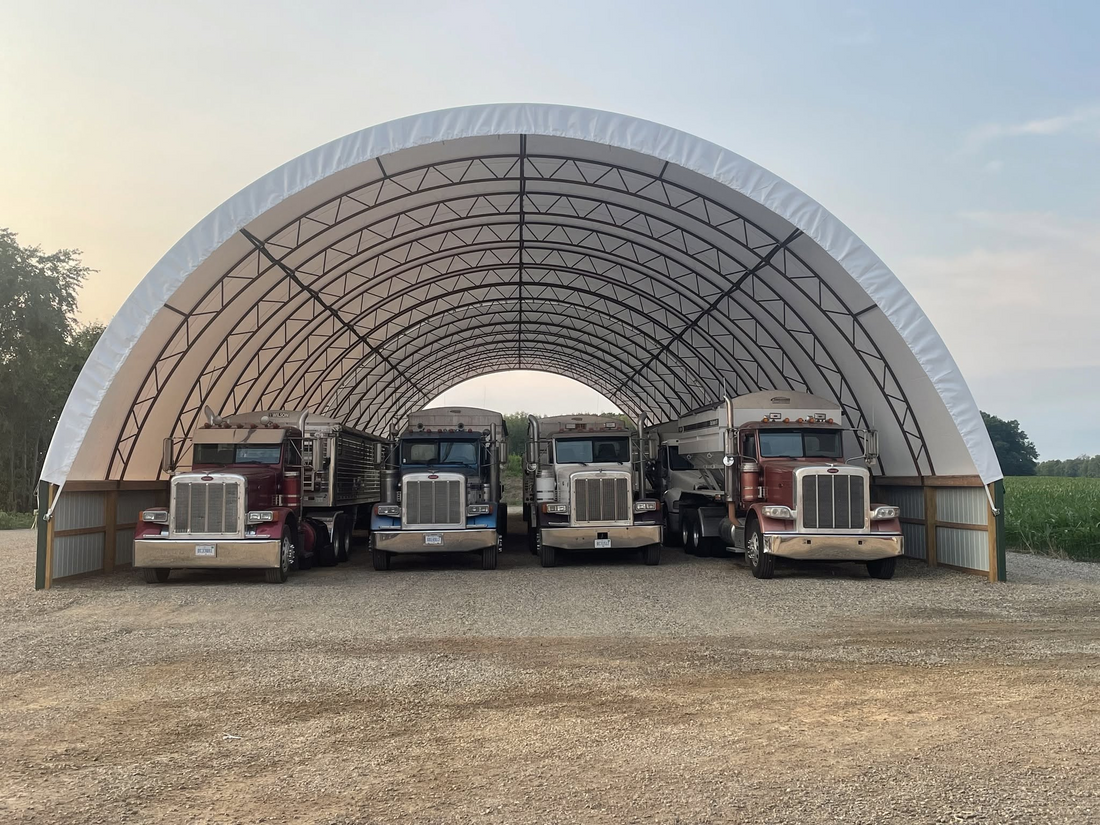
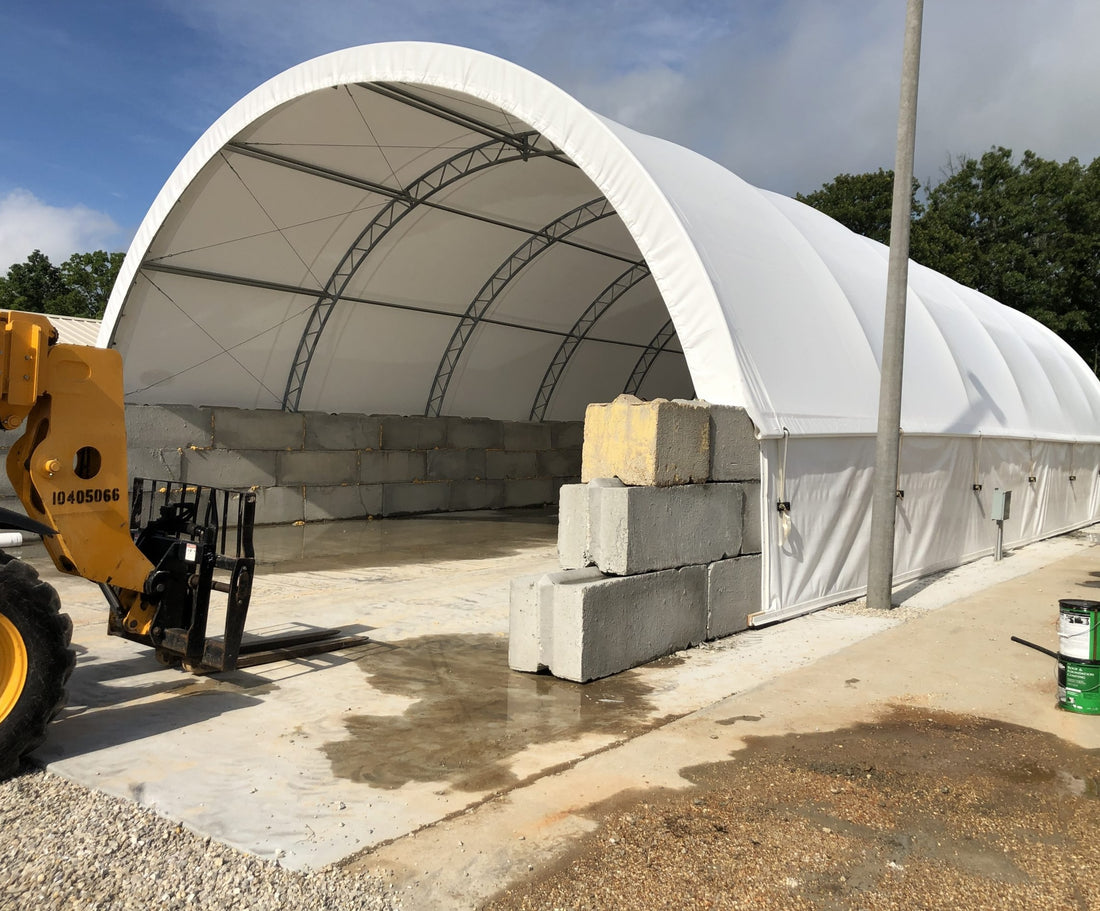
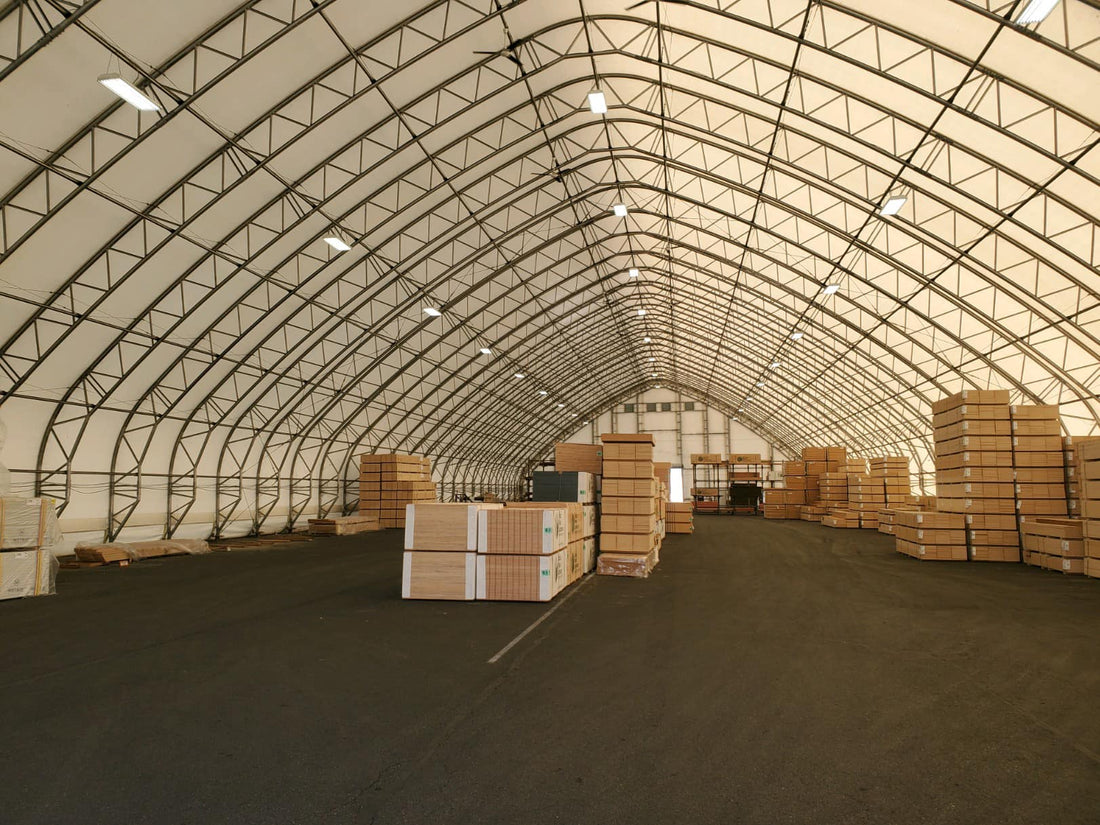
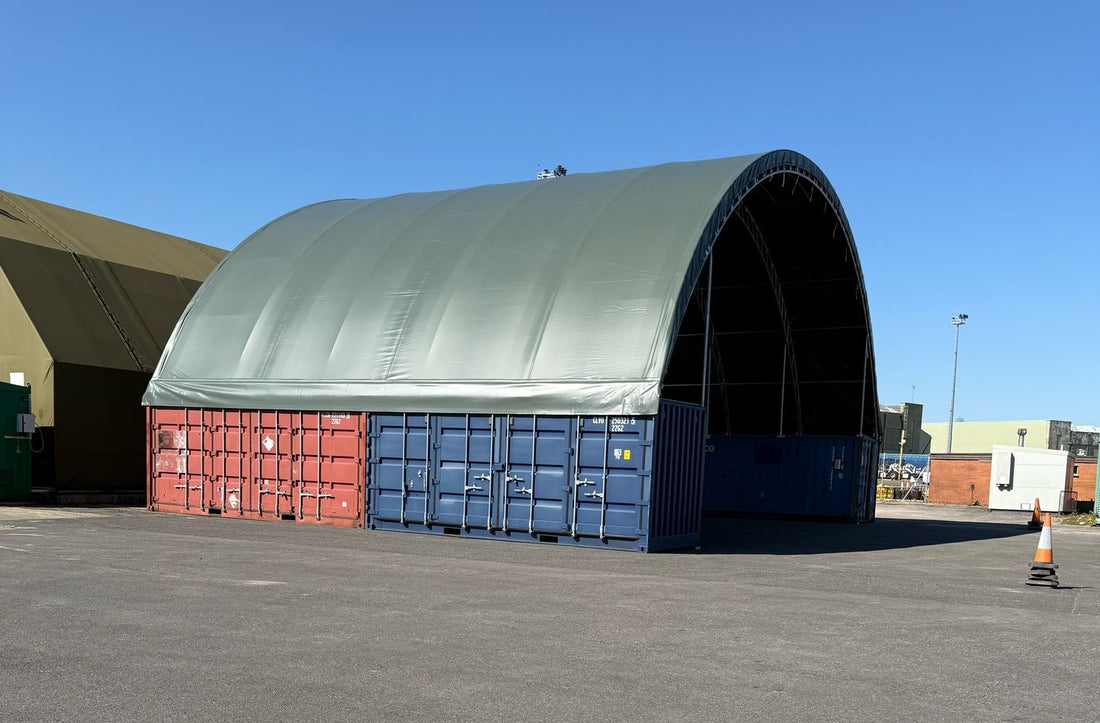
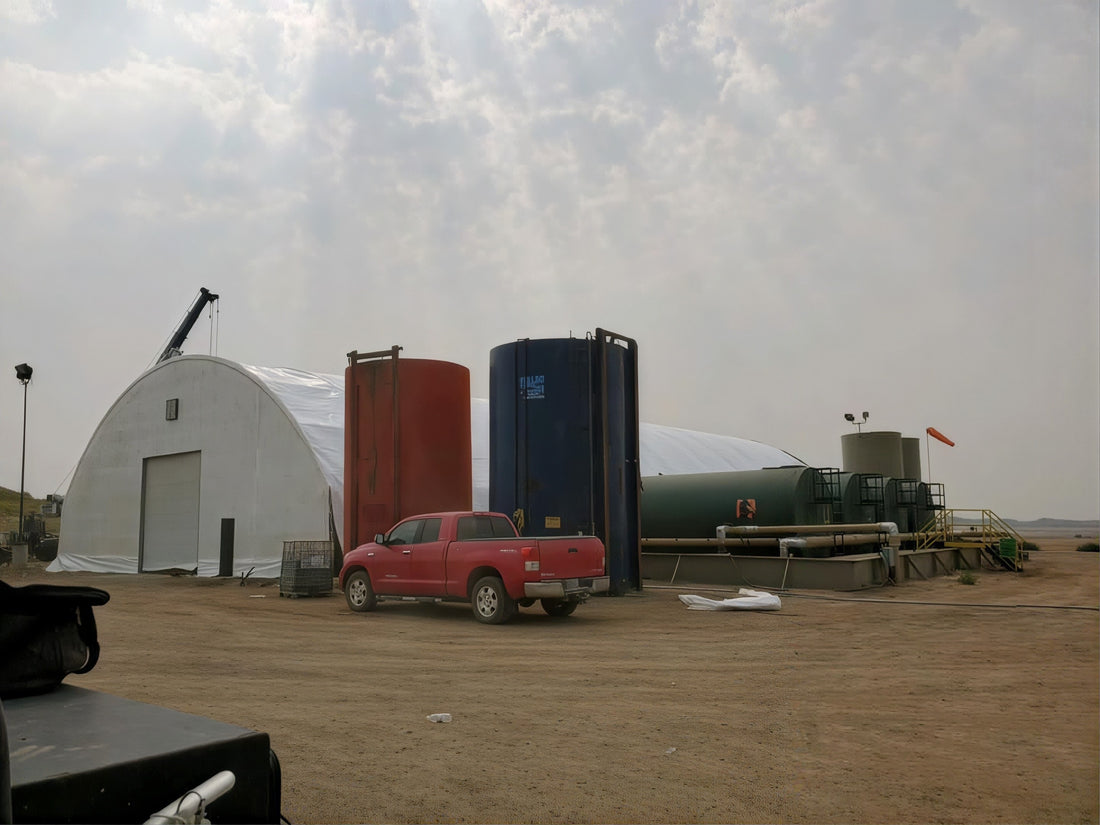
Sheltirx™ fabric warehouse buildings can be configured around inventory dimensions, storage systems, access openings and material handling needs. Clear-span interiors may provide flexibility when arranging shelving, racks, storage zones and picking areas.

Our structures use hot-dip galvanized steel framing and can be engineered around applicable wind and snow loads, foundations, anchoring and local building requirements.

Building height, floor provisions, enclosure, insulation, lighting and ventilation should be selected according to the inventory and handling equipment. Site access, drainage, ground preparation and installation arrangements should also be reviewed.

Explore Sheltirx mining structures and fabric building options.

Add Parts Storage
Capacity at Your Mine

Tell us which parts and supplies you store, expected inventory quantities, storage systems, handling equipment, receiving arrangements and site location. Sheltirx™ can help configure a parts warehouse around your maintenance and supply requirements.

Frequently Asked Questions

What can a mining parts warehouse store?

It can be planned for spare parts, maintenance consumables, tools, components, replacement assemblies and other suitable operational inventory.

How should parts inventory be organized?

Storage should reflect item size, issue frequency, handling needs, stock identification and the site's inventory management procedures.

Can pallet racks and shelving be installed?

They may be incorporated subject to rack design, load capacity, floor conditions, clearances, anchoring and building requirements.

Do mining spare parts require climate-controlled storage?

Not all parts require environmental control. Sensitive components should be assessed individually for temperature, moisture, dust and preservation requirements.

Can the warehouse support workshop operations?

It can support maintenance supply and parts issue. Repair activities may require separate workshop space, utilities and safety provisions.

What information is needed for a quote?

Provide inventory categories, estimated quantities, storage methods, equipment dimensions, access needs, environmental requirements and site location.